I believe a councillor’s role includes listening to different perspectives, communicating openly and ensuring residents understand how their concerns are being addressed.
Accountable & Approachable
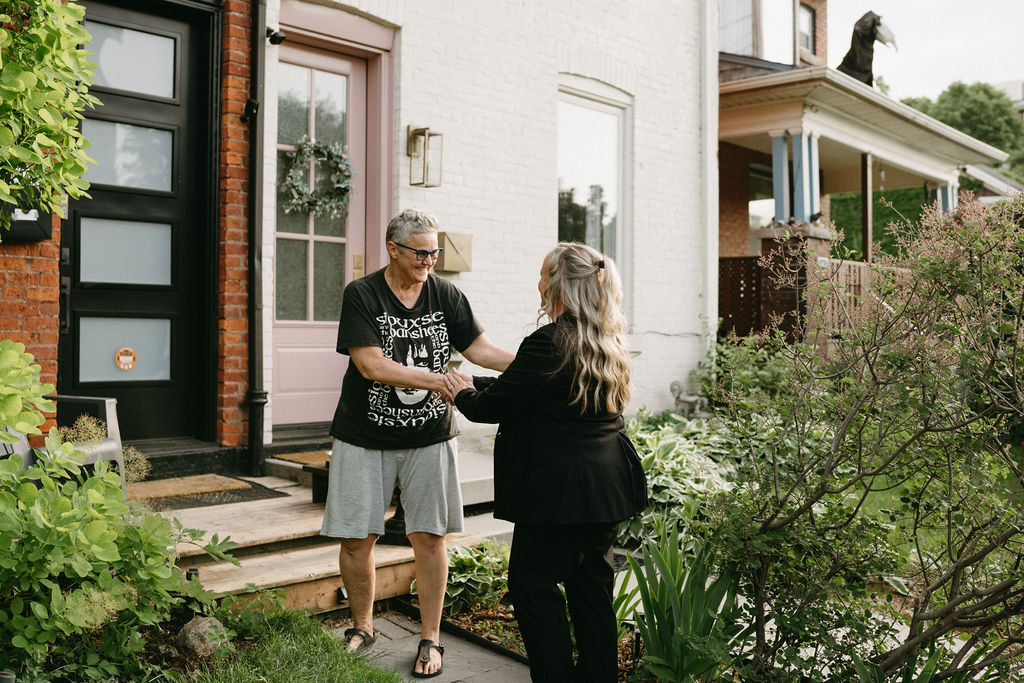
Accessible representation. Meaningful engagement. Transparent decisions.
Local government decisions have a direct impact on our daily lives. Residents need meaningful opportunities to share their perspectives before decisions are made, not after the fact.
I will focus on making the Ward 2 Councillor’s office accessible and ensuring residents have sufficient time and information to participate in City decisions.
- Accessible office hours: Establish regular public office hours at City Hall and neighbourhood coffee shops to make it easier for residents to connect with me.
- Meaningful public engagement: Ensure residents have a genuine opportunity to participate in planning decisions that affect their neighbourhoods.
- More time to have your say: Advocate for changes to public engagement policies so residents receive adequate advance notice to review proposals, prepare feedback and register to delegate at Council. One or two days’ notice is not enough.
- Transparency and follow-through: Communicate decisions, explain the next steps and provide updates on issues raised by residents.
Infrastructure That Works For Everyone
Safe sidewalks. Reliable roads. Accessible parks. Connected communities.
Roads, sidewalks, transit and recreational facilities are essential parts of a functioning community. Maintaining these assets, addressing accessibility barriers and planning for future needs should be central to infrastructure decisions.
- Accessible sidewalks and crossings: Assess sidewalk approaches and pedestrian crossings throughout Ward 2 to identify barriers for people using wheelchairs, mobility devices, strollers and scooters. Work toward practical improvements that make it safer and easier for everyone to get around.
- Road repairs done right: Advocate for durable, cost-effective repairs that reduce repeat construction, disruption and long-term maintenance costs.
- Protecting recreational assets: Personally assess recreational facilities and advocate for maintenance plans that prevent deterioration and costly future repairs.
- Re-open Tugboat Park: Make the repair and reopening of the Pier 4 Tugboat Park a priority which has been closed for three years.
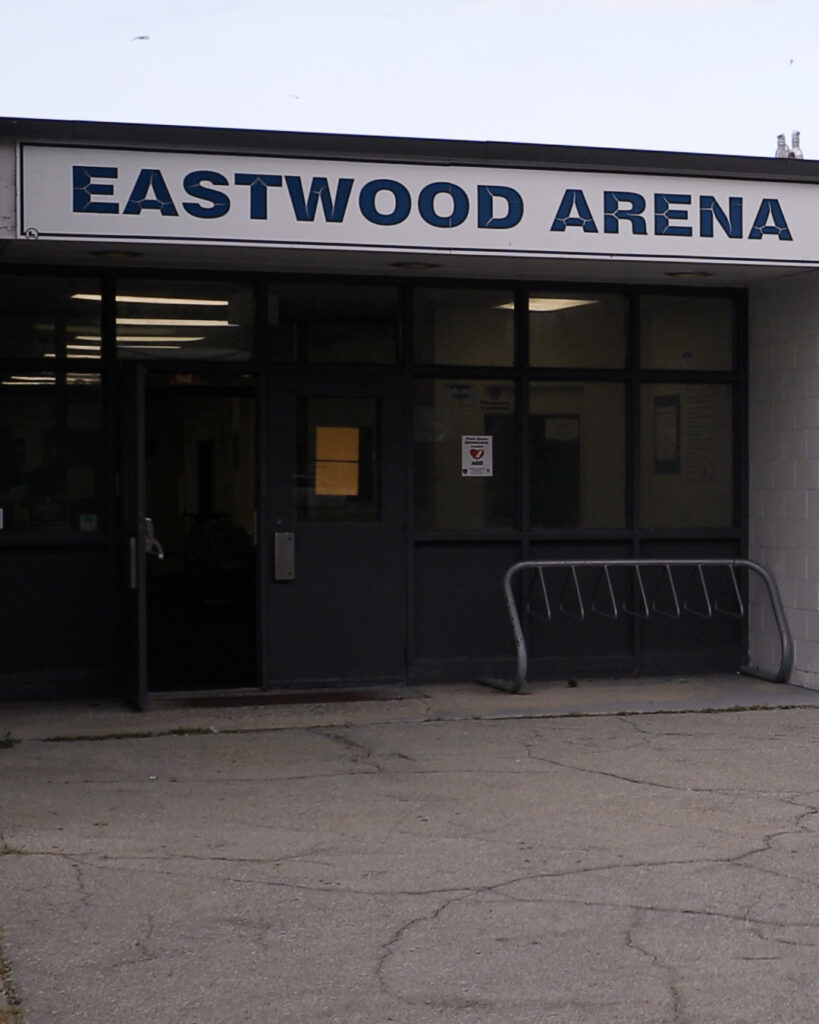
- A future for Eastwood Arena: Develop a long-term plan to maintain Eastwood Arena beyond the current election year.
- Safe and reliable transit: Support transit improvements that help people get where they need to go while considering the safety of pedestrians, cyclists and other road users.
- Accessible planning: Ensure that accessibility to be considered from the beginning of infrastructure and public-space planning, not as an afterthought.
- Strachan Street Linear Park: Prioritize the long awaited dog park.
- Central Park: Install a feature landmark or archway
Infrastructure planning should consider not only how our community moves today, but also how our roads, parks and public facilities will serve residents in the years ahead.
Safe Clean and Welcoming Neighbourhoods
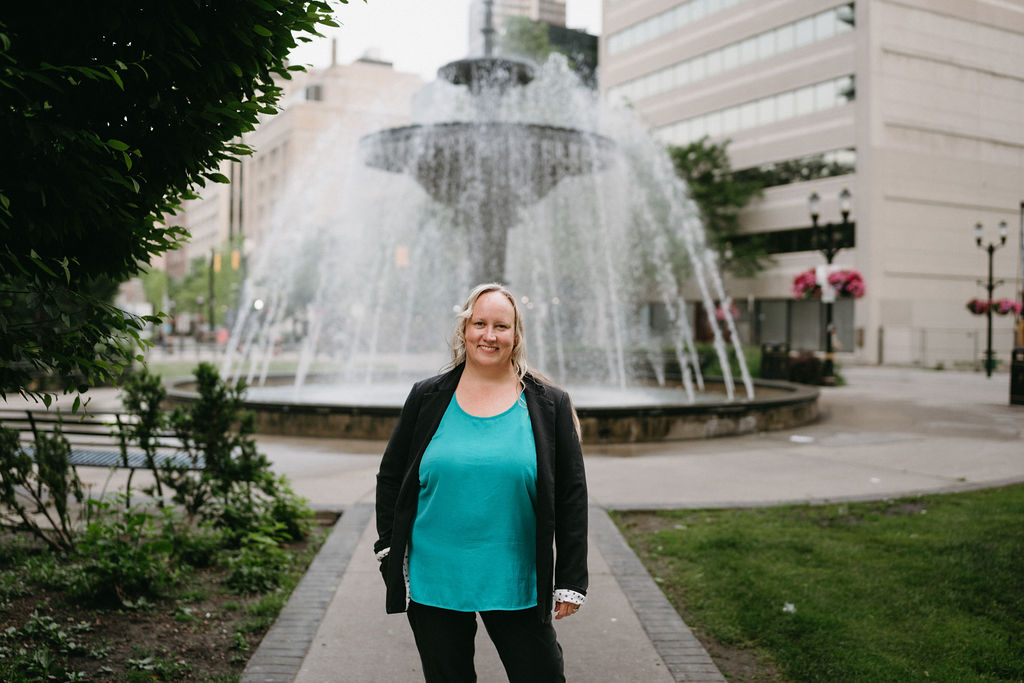
Compassionate solutions. Shared accountability. Public spaces for everyone.
Everyone should be able to enjoy their neighbourhood, walk through a park, wait for a bus or use a sidewalk with a reasonable sense of safety. At the same time, people experiencing homelessness, mental health challenges and addiction need access to appropriate housing, health care and support.
Addressing these issues requires coordination between the City, social service agencies, police, community organizations, businesses and residents. It also requires clear expectations and accountability for the use and maintenance of public spaces.
- Accountability for community services: Work with social service agencies and by-law to establish good neighbour agreements around the cleanliness and management of the areas surrounding their facilities, while supporting the important services they provide.
- Safer public spaces: Collaborate with community stakeholders to address safety and cleanliness concerns in parks, on sidewalks, along the rail trail and at transit stops.
- Bus shelter concerns: Improve cleanliness, accessibility and maintenance of bus shelters. Bus shelters and other public spaces cannot replace appropriate housing and care.
- Housing and appropriate support: Working to address the vacancies in City Housing Hamilton as well as unsafe conditions inside
- Public Drug Use: A firm and compassionate approach to public drug use that has an impact on public safety, connecting people with treatment and applying appropriate enforcement where required.
- Access to addiction treatment: Facilitate processes for timely access to publicly funded detox and addiction treatment. Vacancies in treatment programs should not go unused while people struggle to access care.
- Safer e-bike and scooter use: Work with Hamilton Police Service and City by-law enforcement to improve public awareness and reduce collisions between pedestrians and riders.
- Daytime support options: Expanded daytime shelter and drop-in services, including the use of existing facilities with extended operating hours, to provide alternatives for people who have nowhere to go during the day.
- Work with the Hamilton Police and RAAM clinic to increase engagement when referred through Bill C-5.
- Community cleanups: Organize and participate in annual spring cleanups throughout Ward 2, involving residents, community organizations and local partners.
- Ferrie Parkette: Address lighting concerns at Wellington and Ferrie Parkette to improve visibility and usability of the space.
- Queen Street South Road Safety: Work with area residents and city staff to find solutions that ensures safe crossing.
Public safety, cleanliness, housing and social supports are interconnected. Solutions need to protect access to public spaces while addressing the underlying needs of vulnerable residents.
Making Every Tax Dollar Count
Affordable housing. Essential services. Responsible spending.
Residents and businesses are facing increasing costs, and municipal property taxes are an important part of that pressure. With significant tax increases and further increases forecast, the City needs to carefully consider how it funds services, maintains infrastructure and manages its long-term financial obligations.
Fiscal responsibility means examining spending decisions, identifying inefficiencies and ensuring that available resources are directed toward essential services and community needs.
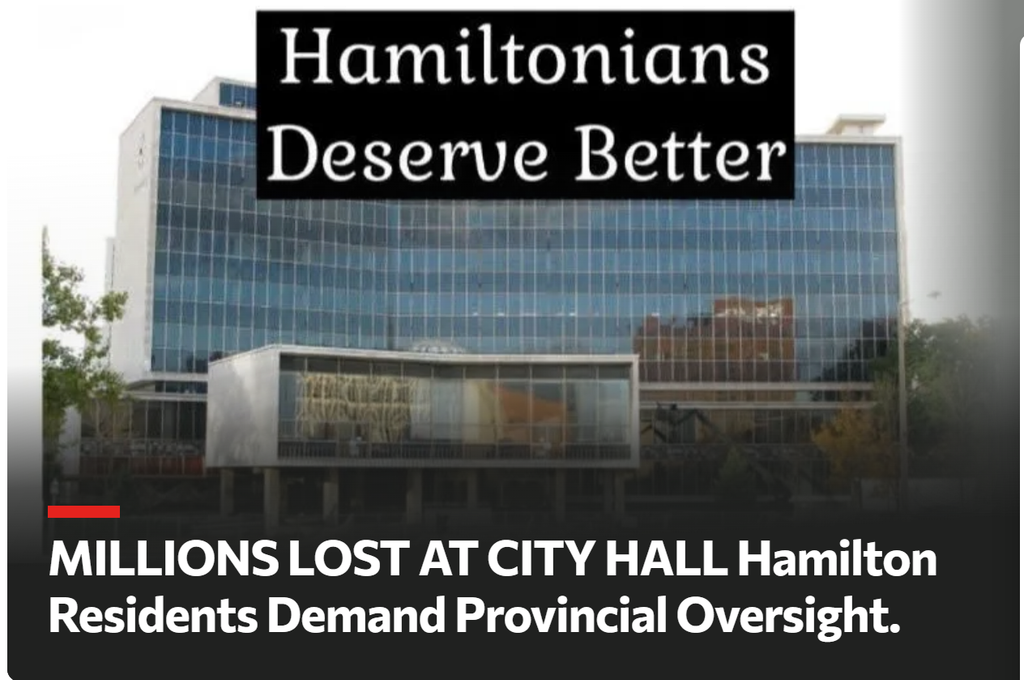
View the petition I started to draw attention to the City’s waste of taxpayer’s dollars.
- Responsible property taxation: Scrutinize municipal budgets and spending proposals, with consideration for the impact of tax increases on households, seniors, renters and local businesses.
- Protecting core services: Focus on the reliable delivery of essential services, including policing, road maintenance, snow removal, infrastructure, transit and parks.
- Reducing financial waste: Identifying and reducing unnecessary costs, improving operational efficiency and directing savings toward service improvements.
- A housing mix that meets local needs: Advocate for a range of housing options in Ward 2 and across Hamilton, including affordable housing and missing middle housing such as duplexes, triplexes, fourplexes, townhomes and low-rise apartments.
The goal is to connect responsible financial management with dependable services and infrastructure, while recognizing the different affordability pressures facing Ward 2 residents.
A Stronger Environment for Local Business
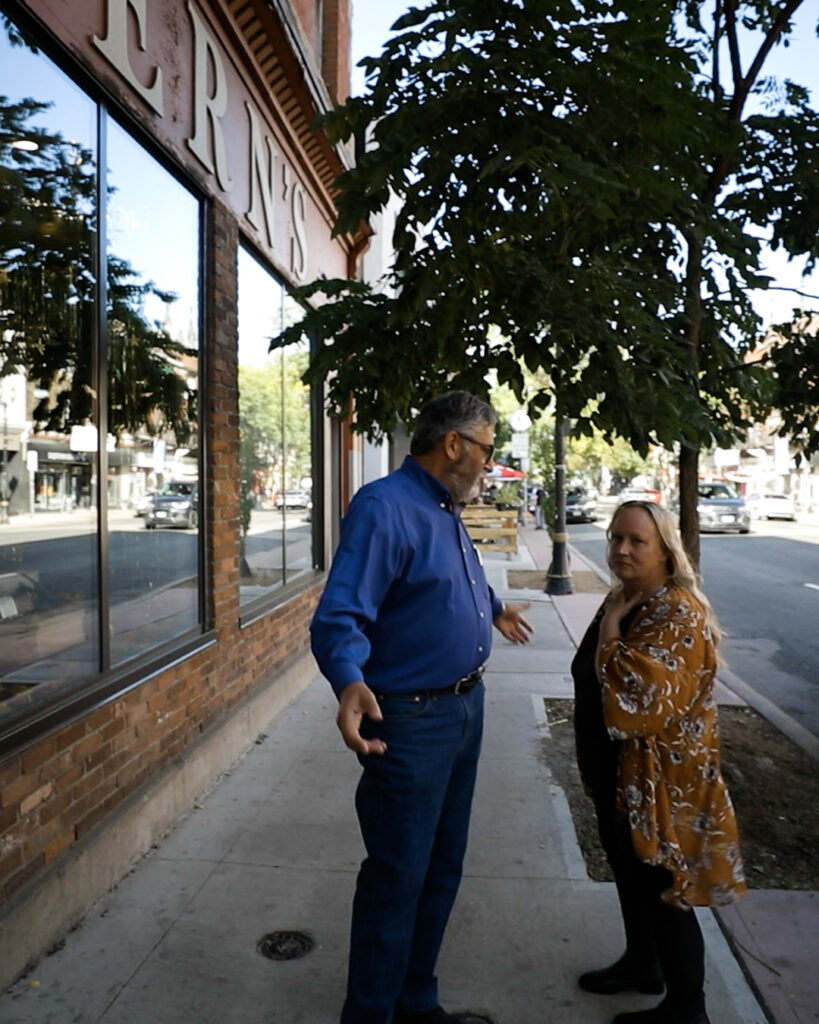
Practical support. Vibrant streets. Fair business conditions.
Small businesses contribute to the character, employment and economic activity of Ward 2. However, local business owners face challenges that include rising operating costs, construction disruption, property damage, graffiti and public disorder.
City policies and services should recognize the day-to-day realities of operating a business in an urban neighbourhood, including the need for practical access, parking, loading and safe commercial spaces.
- Increase Waterfront Recreational Activities: Introduce motorized/non-motorized water sports and pickleball court
- Be hospitable to investment: We WANT people to choose to live here, play here, eat here and invest here. Collaborate with community stakeholders, Hamilton Police Services and by-law to create an environment conducive to investment.
- Practical parking and loading: Ensure business needs for short-term parking, accessible parking and designated loading zones are considered in transportation and streetscape planning.
- Responsive bylaw enforcement: Advocate for proactive and timely enforcement when property damage, nuisance activity or other bylaw concerns affect local businesses.
- Addressing the costs of social disorder: Work with bylaw and community partners to reduce the burden of graffiti, vandalism, property destruction and other public-space issues on business owners.
- Supporting businesses during LRT construction: Advocate for practical assistance for affected businesses, including clear construction communication, business promotion, support temporary relocation if desired.
- Increasing foot traffic: Support street activation, community events and coordinated initiatives that encourage residents and visitors to spend time in Ward 2’s commercial areas.
- Licensing and Permits: Compare and contrast processing municipalities; find what’s working and make shortening our timeframes a reality.
A thriving local business community depends on more than attracting investment. It also requires the City honouring that investment by being responsive to the realities of operating in our urban core.
Planning for a Changing Ward 2
Climate goals. Transportation choices. Accessibility and economic vitality.
Ward 2’s future depends on planning that balances environmental objectives with the practical needs of the people who live and work here. Residents have different transportation needs, and many depend on their vehicles for work, caregiving and daily responsibilities.
City planning should support a range of safe and accessible transportation options while recognizing the role of local businesses, essential vehicle access and the realities of urban life.
- Practical climate action: Support efforts to meet municipal climate goals while considering the needs of residents who must drive or commute for work and other essential activities.
- Accessible, connected and safe neighbourhood design: Encourage transportation planning that considers pedestrians, cyclists, transit users, motorists and people with mobility challenges. Promote streets, sidewalks, parks and public facilities that can be used by people of different ages and abilities. Consider the interaction between cars, transit, bicycles, e-bikes, scooters and pedestrians when reviewing transportation infrastructure and safety measures.
- Balanced economic development: Consider the impact of transportation and environmental policies on residents, employees and small businesses, particularly in areas undergoing major construction or redevelopment.
A connected community is one where residents have safe, practical ways to get where they need to go, and where planning considers both long-term goals and everyday realities.